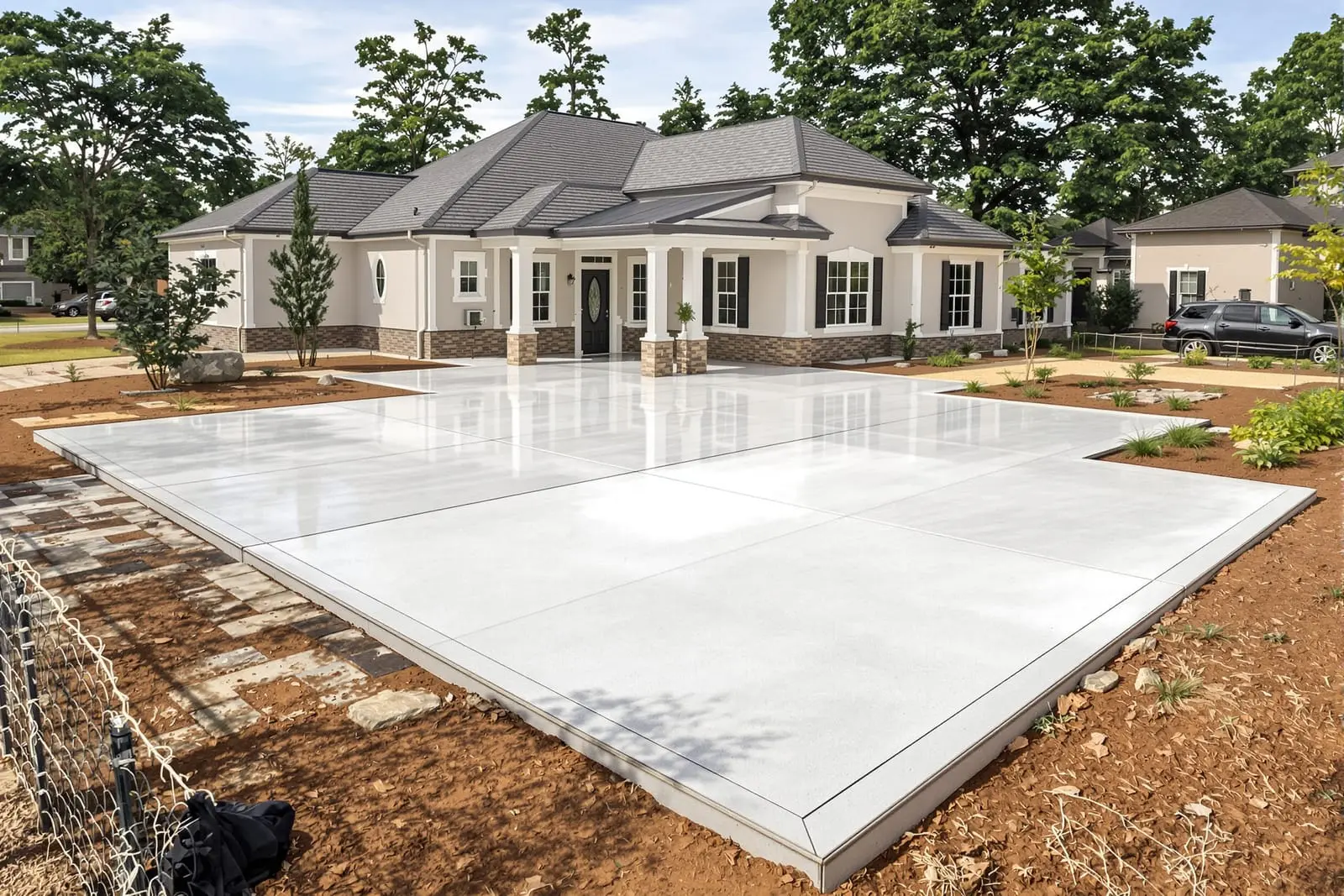
We perform structural concrete in Biloxi, MS including sitework elements like grade beams, retaining walls, piers, and equipment foundations. Our team coordinates with engineers and GCs to meet specs and inspections. Keep your structural elements on time and built to last.
Primetime Concrete Biloxi provides professional structural concrete throughout Biloxi, MS and the surrounding area. Our licensed, insured crew delivers safe, clean, on-time work with a free estimate before anything begins. Call (228) 338-2360 or request your free quote.
Sitework & Structural Concrete Built for Biloxi Conditions
Primetime Concrete Biloxi handles sitework and structural concrete with the Gulf Coast in mind. Our work has to deal with heat, humidity, heavy rain, and loose coastal soils, so we plan every job around drainage, soil support, and long term movement.
Sitework comes first. For a new house, shop, parking lot, or small commercial building, we clear and grub the site, strip organic material, then cut or fill to reach design elevations. On Biloxi lots this often means filling low areas that hold water and tying into existing ditches or culverts so you do not flood the neighbor next door.
Once the ground is shaped, we check soil bearing capacity. On softer coastal soils we often recommend a thicker slab, wider footings, or more steel to keep the structure from settling unevenly. Structural concrete is only as good as what is under it, so we never skip compaction or soil checks just to move faster.
How We Prep Your Site So Concrete Will Last
Most concrete problems in this area start before the first truck arrives. Proper sitework is what keeps slabs from cracking badly or sinking. Primetime Concrete Biloxi treats site prep as the structural step it is, not a quick box to check.
We start with layout and benchmarks, using laser levels to tie your project into the existing street, driveway, or building. This matters in Biloxi where a few inches too low can turn your driveway or pad into a catch basin during summer storms.
Next we handle rough grading and compaction. We use plate compactors or rollers in thin lifts, typically 4 to 6 inches per pass, to reach the density needed for structural slabs. In areas with known weak soil, like near marshy ground, we may install geotextile fabric under the base rock to keep it from pumping and spreading when wet.
For residential projects we usually place 4 to 6 inches of crushed limestone or similar aggregate as the base, graded for positive drainage. Around Biloxi we are careful to slope water away from your house or building and toward approved swales or drains. Poor drainage is a leading cause of slab edge failure here, so we design the grades to move water off concrete quickly.
Finally we address utilities. If your project needs plumbing, electrical conduits, or sleeves under the slab, we coordinate with your other contractors to get everything in before reinforcing goes in. It is far cheaper to plan these details now than to cut into new concrete later.
Structural Concrete Options: Slabs, Footings, Beams, and More
Structural concrete is more than just a flat slab. Primetime Concrete Biloxi installs the elements that actually hold your structure up and keep it performing under real loads.
For house and shop slabs we commonly install monolithic slabs with thickened edges that serve as both footing and floor. In softer Biloxi soils or heavier buildings, we may pour separate continuous footings and interior grade beams, with a slab on top. This reduces differential settlement and helps control cracking.
Concrete thickness and mix design are selected based on use. A typical residential garage slab might be 4 inches thick with fiber reinforcement and welded wire mesh, while a commercial driveway that sees delivery trucks might be 6 inches or more with rebar on chairs. We often use 3,000 to 4,000 psi mixes for structural work, sometimes with air entrainment and additives to improve workability in hot weather.
For structural walls, stairs, and columns, we build and brace forms to maintain alignment and plumb, then install rebar cages according to plan. Poorly braced forms can bow or blow out, so we overbuild our bracing rather than take chances. After the pour we keep forms in place long enough for the concrete to gain strength, which is especially important in high humidity conditions where surface drying can mislead you about actual cure strength.
We can also integrate dowels and tie ins where new concrete must connect structurally to existing foundations or slabs. This is common when extending a patio or adding a room. Proper drilling, epoxy anchoring, and layout keeps the new section from separating from the old.
Reinforcement, Joints, and Crack Control in Coastal Climate
Every slab in Biloxi will show some cracking over time, but structural cracking that shifts or opens up can be avoided with the right design and details. Primetime Concrete Biloxi focuses on reinforcement and joints to manage where cracks happen and how they behave.
We install rebar or welded wire mesh with proper cover, usually keeping steel 2 inches from the surface and edges. For structural slabs we chair the steel instead of pulling it up with hooks during the pour. This keeps it at the right depth across the entire slab, not just where someone happened to lift it.
Control joints are cut or tooled to create intentional weak points so the concrete cracks there in a straight line instead of randomly across the surface. For typical slabs we place joints at intervals equal to 2 to 3 times the slab thickness in feet. A 4 inch slab would see joints every 8 to 12 feet, adjusted for the layout of doors and walls.
In our climate, rapid drying from sun and wind after a rainstorm can curl edges or increase surface cracking. We often use curing compounds or wet curing methods on structural work, such as keeping the slab damp for several days. This slows moisture loss and helps the concrete gain strength evenly.
We also consider corrosion. Near salt air, unprotected steel is more at risk. Where appropriate, we specify epoxy coated rebar or upgrade cover depths to help protect reinforcement. This is especially important for structural elements that are hard to repair later, such as beams and load bearing walls.
What Drives Cost and Timeline for Structural Concrete Projects
Customers in Biloxi usually want to know why similar sized projects can have different prices. With sitework and structural concrete, the main cost drivers are soil conditions, access, thickness and reinforcing, and complexity of the design.
Soft or wet soils often require more base material, thicker footings, or additional beams. On some low lying lots, bringing in enough suitable fill and compacting it properly becomes a significant part of the budget. We will show you where money is going so you can see the tradeoffs between initial cost and long term performance.
Access also matters. Tight backyards, limited truck access, or the need to pump concrete instead of chute it directly changes labor and equipment costs. If we need to work around existing structures, fences, or landscaping, plan on more setup time and hand work.
Structural upgrades add cost but often prevent bigger bills later. Increasing slab thickness by 1 inch, upgrading rebar size, or adding grade beams under heavy walls can protect against settlement cracks and floor slope issues. Primetime Concrete Biloxi will give you options instead of a single take it or leave it proposal so you can choose where to invest.
Timeline depends on weather, inspections, and concrete cure time. In hot, humid Biloxi summers we often pour early morning to avoid surface defects from rapid drying. After placement, we typically recommend at least 7 days before putting significant loads on structural slabs, and 28 days for full design strength. We schedule work around local inspection requirements so there are no surprises holding up your build.
What to Know Before You Hire a Structural Concrete Contractor
Before you hire anyone for sitework and structural concrete in Biloxi, there are a few practical checks you should make. Primetime Concrete Biloxi encourages you to ask these questions of us and any other contractor you interview.
Ask how they evaluate soil and drainage, not just how thick they pour the slab. A contractor who only talks about surface finish and not about base prep is skipping the most important step. Request details on compaction methods, base thickness, and how they plan to move water away from the structure.
Request a reinforcement and joint layout, at least in basic form. You should know what size rebar or mesh is going in, how it is supported, and where control joints or construction joints will be. For structural work supporting walls or columns, ask how loads are being carried to the footings.
Check their experience with local codes and inspectors. Harrison and Jackson County jurisdictions, plus the City of Biloxi, can have specific foundation and elevation requirements, especially in flood zones. Your contractor should be familiar with these and able to coordinate with your designer or engineer.
Finally, get clarity on what is included in the bid. Site clearing, haul off, fill, base rock, vapor barriers, thickened edges, and pump truck fees are often treated differently from one contractor to another. Our proposals clearly list these items so you can compare apples to apples.
When you are ready to talk through a project, Primetime Concrete Biloxi can walk your site, flag possible issues, and provide a detailed plan for both sitework and structural concrete that fits how you actually use the property.
“
Professional sitework & structural concrete, done right the first time, quality materials, honest pricing, and results that last.
Primetime Concrete Biloxi
Sitework & Structural Concrete Across Our Service Area